๐Ÿ““ Field Notes from the Curiosity Lab

Strange Observations. Useful Tools. Occasional Goblins.

A blog for therapists, educators, parents, and gloriously overwhelmed humans navigating wonderfully complicated brains. Written by a licensed therapist who has been in the room with your kid's brain type for 20+ years.

Playful illustration of a child upside down mid-headstand while swirls of calm color settle around them

When Your Brain Needs Weirdness: Why Quirky Calming Actually Works Better Than Boring

Deep breathing got an eye roll. Standing on their head? Instant calm. Here's the neuroscience of why strange, playful regulation strategies interrupt anxiety loops, stick in memory, and actually get used โ€” when boring ones get abandoned.

Your Brain Isn't Broken. It's Built Differently.

What science says about the ADHD nervous system โ€” and the unconventional strategies that actually work with it, not against it.

My Brain Is Static and Raccoons Today (And That's Valid Data)

Some days the control room is running smoothly. Other days, three raccoons have taken the steering wheel. Here's what to do on raccoon days.

The Dopamine Menu: Why Your Brain Needs a Bribe (And Why That's Okay)

If โ€œjust start the taskโ€ were useful advice, you'd already be doing the task. Here's what actually works for brains that struggle with initiation.

Why Therapeutic Games Work Better Than Worksheets (According to Neuroscience)

It's not just more fun. There's a neurological reason engagement-first approaches actually change behavior where paper-and-pencil ones don't.

Warm illustration of a parent and a curious child at a kitchen table, thought bubbles full of colorful shapes above the child's head

You Are Not Raising a Problem Child. You Are Raising a Different-Brained Child.

The difference in framing is enormous. One story ends in shame spirals. The other ends in strategies. Here's how to find the door.

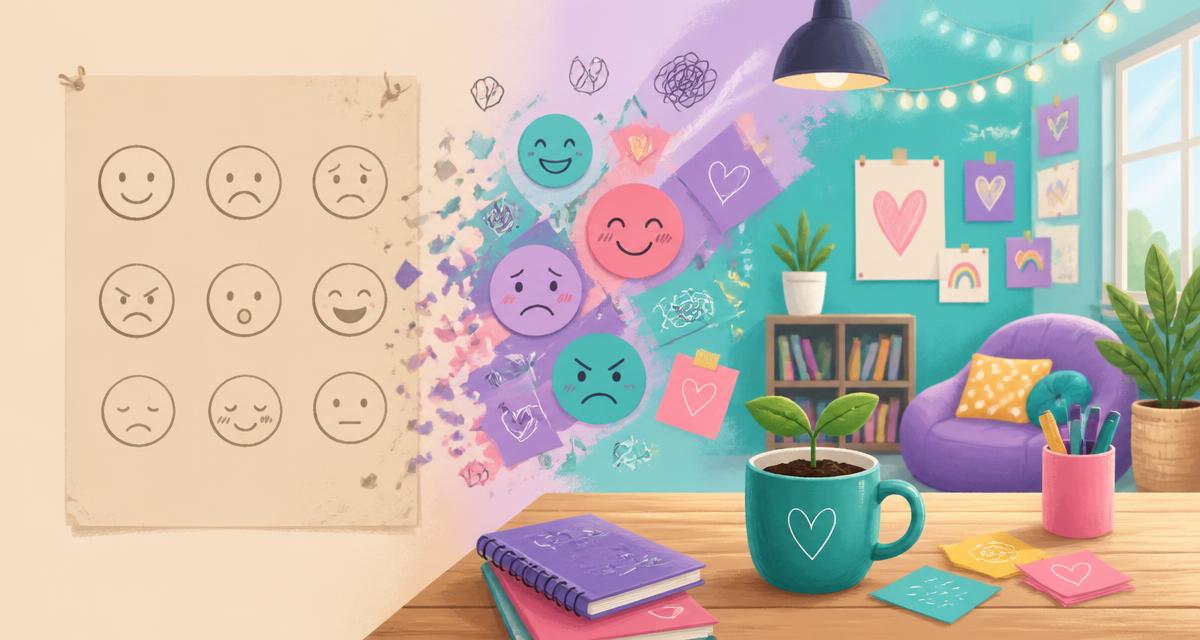
Bright classroom illustration where a faded beige feelings poster is replaced by bold, colorful social-emotional learning artwork

SEL Without the Beige: Why Your Students Tune Out (And What to Do Instead)

That soft cloud feelings poster isn't failing because you taught it wrong โ€” it's invisible. Beige SEL asks students to care about something stripped of anything worth caring about. Here's why engagement has to come before regulation, and five ways to redesign delivery (humor as co-regulation, real choice over compliance) without touching your curriculum.

The Wall of Awful Is Real. Here's How to Build a Door Through It.

That invisible barrier of shame, past failure, and executive dysfunction has a name. And more importantly โ€” it has a solution that doesn't involve willpower.