Therapeutic Games
Gamified interventions that feel like play and work like therapy — for groups, classrooms and one-on-one sessions.
- ✦ Card games for coping skills
- ✦ Small-group SCOOT games
- ✦ Resilience challenge decks
18 resourcesExplore Category →
🧪 The Curiosity Lab
This is the discovery wing: featured resources, free things to try, apps in progress, and shelves sorted by what you're actually carrying today. Take your time. Nothing here needs a printer, a perfect mood, or a fully charged nervous system.
Explore by category
Each shelf opens the matching collection in the store, already filtered — so you keep the thought you walked in with.
Gamified interventions that feel like play and work like therapy — for groups, classrooms and one-on-one sessions.
Social-emotional learning that never makes a kid feel managed. Strength-based lessons, activities and group plans.
Built for the getting-started part, not just the doing part. Planning, initiation, focus and follow-through scaffolds.
Story-driven puzzle experiences that build emotional intelligence, flexible thinking and teamwork — no prep, no printing.
AI-assisted companions, interactive tools and weird little digital things built in the Lab and tested in real rooms.
Posters, visual schedules and calm-down systems for humans who think in pictures, colors and sticky notes.
Featured resources
Hand-picked from the catalog — tested in real classrooms, offices and kitchen tables.
 $29.00
354 speculative "what if" bell ringers for grades 9–12, plus a searchable web app, two AI thinking partners, a student reflection journal, and a CASEL-aligned SEL expansion guide.
2 vision board worksheets, printable words & mantras, 4 coloring pages, and a full lesson plan. Creative, low-prep, and students love it.
Therapeutic card game for resilience, coping skills & self-talk. 1-on-1, small group, or classroom. Print-and-play. Counselor approved.
Students solve puzzles by identifying emotions & coping strategies. Self-paced, digital, no-prep. Google Slides compatible.
Visual menu of brain-stimulation strategies by category: activators, identity tools, sensory supports. For brains that need a bribe to get started.
FOCUS, IDEAS, and DO NOT DISTURB classroom posters. Helps students identify and name their internal states. Based on the Control Room Dweller framework.
Free tools & downloads
No email wall, no maze. Grab one, try it this week, see if your brain likes it.
1-page printable on optimistic thinking as a resilience skill. Practical tips students can start using immediately. 8.5"×11" PDF.
AI-assisted reflection & regulation companion for students who think better in conversation. Thought Trap Spotter, Idea Jar & grounding built in.
Apps & interactive experiments
AI-assisted companions and interactive tools built by a therapist, not a growth team.
Available · New354 speculative "what if" bell ringers for grades 9–12, plus a searchable web app, two AI thinking partners, a student reflection journal, and a CASEL-aligned SEL expansion guide.
Gamified emotional regulation app. Students earn points for identifying feelings, using coping tools & completing regulation challenges.
New from the Lab
Recently released resources, still smelling faintly of markers and good ideas.
$29.00354 speculative "what if" bell ringers for grades 9–12, plus a searchable web app, two AI thinking partners, a student reflection journal, and a CASEL-aligned SEL expansion guide.
7-week small group counseling program. Builds perseverance, resilience, and bounce-back skills. Low-prep, fun nautical theme. ASCA aligned.
Helps teens identify cognitive distortions like Mind Reading and All-or-Nothing thinking. CBT-informed, engaging & non-clinical in feel.
Puzzle adventure teaching fixed vs. growth mindset through story & discovery. ASCA aligned, Google Slides ready.
Gamified daily planning system that turns tasks into quests. For brains that find blank planners threatening. Includes reward system & visual tracker.
Beautiful illustrated coping strategy cards organized by sensory category. Designed to actually be pretty. No clip art. No beige.
Resources by audience
Same library, different doors. Pick the one that sounds like you today.
Latest Field Notes
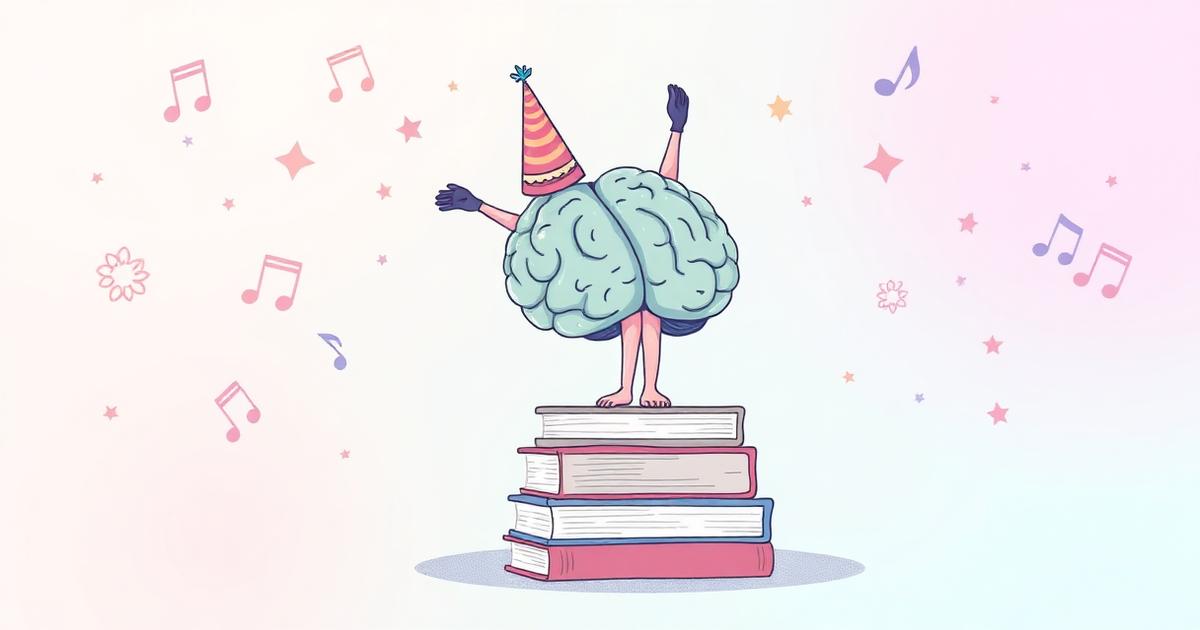
Deep breathing got an eye roll. Standing on their head? Instant calm. Here's the neuroscience of why strange, playful regulation strategies interrupt anxiety loops, stick in memory, and actually get used — when boring ones get abandoned.
Read the note →The difference in framing is enormous. One story ends in shame spirals. The other ends in strategies. Here's how to find the door.
Read the note →That invisible barrier of shame, past failure, and executive dysfunction has a name. And more importantly — it has a solution that doesn't involve willpower.
Read the note →It's not just more fun. There's a neurological reason engagement-first approaches actually change behavior where paper-and-pencil ones don't.
Read the note →What science says about the ADHD nervous system — and the unconventional strategies that actually work with it, not against it.
Read the note →Some days the control room is running smoothly. Other days, three raccoons have taken the steering wheel. Here's what to do on raccoon days.
Read the note →If “just start the task” were useful advice, you'd already be doing the task. Here's what actually works for brains that struggle with initiation.
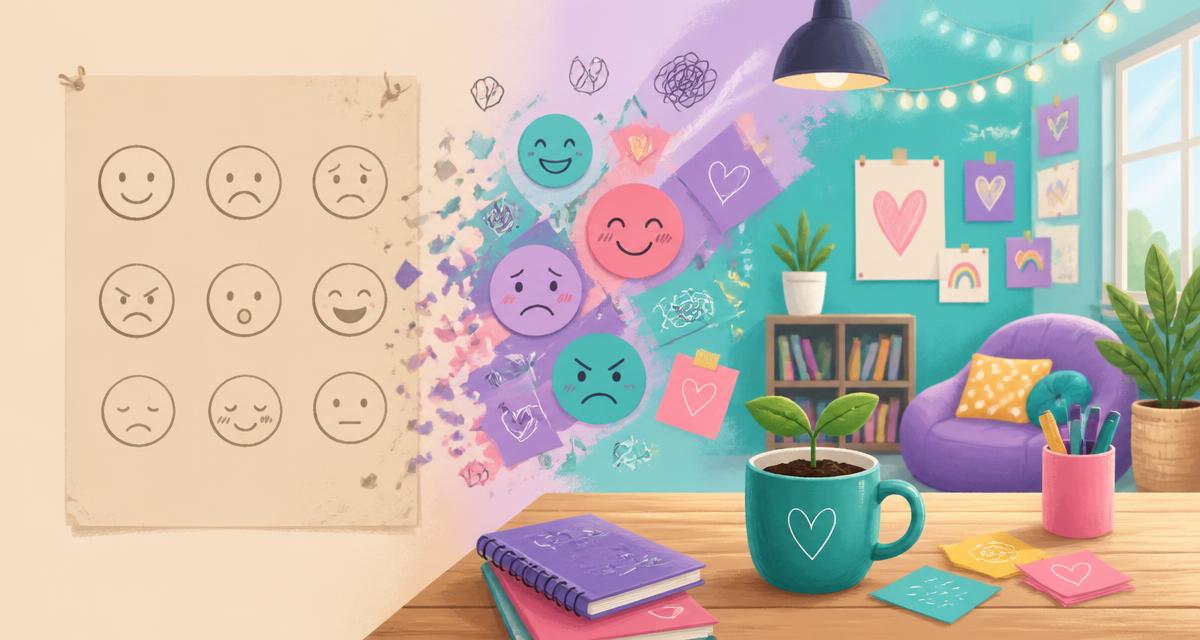
Read the note →That soft cloud feelings poster isn't failing because you taught it wrong — it's invisible. Beige SEL asks students to care about something stripped of anything worth caring about. Here's why engagement has to come before regulation, and five ways to redesign delivery (humor as co-regulation, real choice over compliance) without touching your curriculum.
Read the note →Ask Piper for help
Piper is our resource concierge. Tell her who you're supporting and what's happening — she'll walk you to the right shelf instead of handing you a catalog.
Browse games, printables, digital tools, executive-function supports, SEL resources, escape rooms, and more — all in one searchable catalog.